Check out our blog
First and foremost, fall is the ideal time to focus on lawn repair and rejuvenation. After the stress of the hot summer months, your lawn is likely in need of some tender love and care. Repairing bare or thin patches of grass will go a long way in ensuring that your lawn is lush and green come spring. It’s recommended to overseed your lawn in the fall. This involves spreading a mixture of grass seeds over your existing lawn to encourage new growth. Make sure to choose the right type of seed for your region’s climate and your lawn's needs.
Another crucial step in fall lawn care is mowing. Although growth slows down as temperatures drop, it’s important to continue cutting your grass until it stops growing. The last cut of the season should be shorter than normal; around 2 to 2.5 inches in height is ideal. This shorter length helps to prevent diseases and matting under the winter snow, as longer grass tends to bend and invite fungus.
Raking is also a key component of fall landscaping, although often overlooked. Leaves that accumulate on your lawn can block sunlight and trap moisture, creating an ideal environment for disease and pests. Regular raking, or using a leaf blower, can help ensure that your lawn stays healthy by allowing it to breathe. Furthermore, collected leaves can be composted or used as mulch, adding valuable organic matter back into your garden.
Aeration is another beneficial practice during the fall. This process involves perforating the soil with small holes to allow air, water, and nutrients to penetrate the grass roots. Aeration reduces soil compaction and enhances root development before winter sets in. If you're unfamiliar with aerating your lawn, consider contacting Walsh Lawn And Landscape for professional assistance, as it requires specialized equipment.
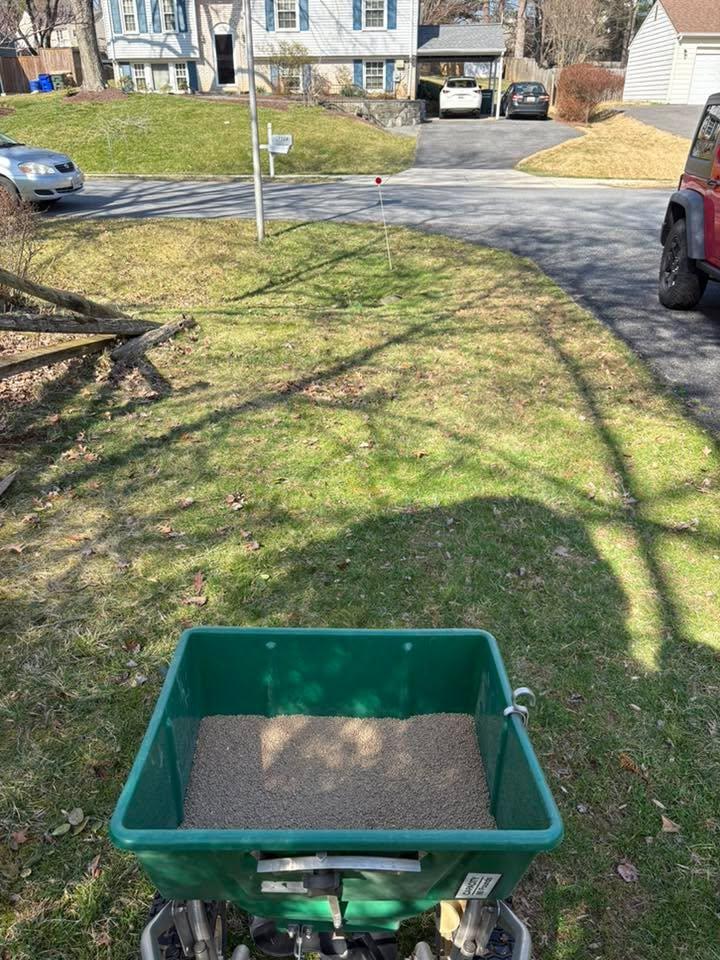
Fertilizing your lawn in the fall will pay dividends when spring rolls around. Using a slow-release granular fertilizer can provide essential nutrients that boost root growth and enhance overall lawn strength against harsh winter conditions. Be sure to choose a fertilizer that suits your soil type and grass species for optimal results.
Lastly, don’t forget about your shrubs and trees. Trimming back overgrown branches not only improves the aesthetic of your landscape but also prevents potential damage during winter storms. Be cautious not to prune too aggressively, as this can be counterproductive to the plant's health.
In conclusion, taking these proactive steps will ensure that your lawn is in prime condition come spring. By following these essential fall landscaping tips, you can protect your investment and enjoy a lush, vibrant lawn as the seasons change. Remember, for more comprehensive services, Walsh Lawn And Landscape is just a call away, ready to assist you with all your landscaping needs. Prepare your lawn now and enjoy the beautiful results in the coming year.